Copyright © 2025 Towasze.Studio - All rights reserved.
Copyright © 2025 Towasze.Studio - All rights reserved.

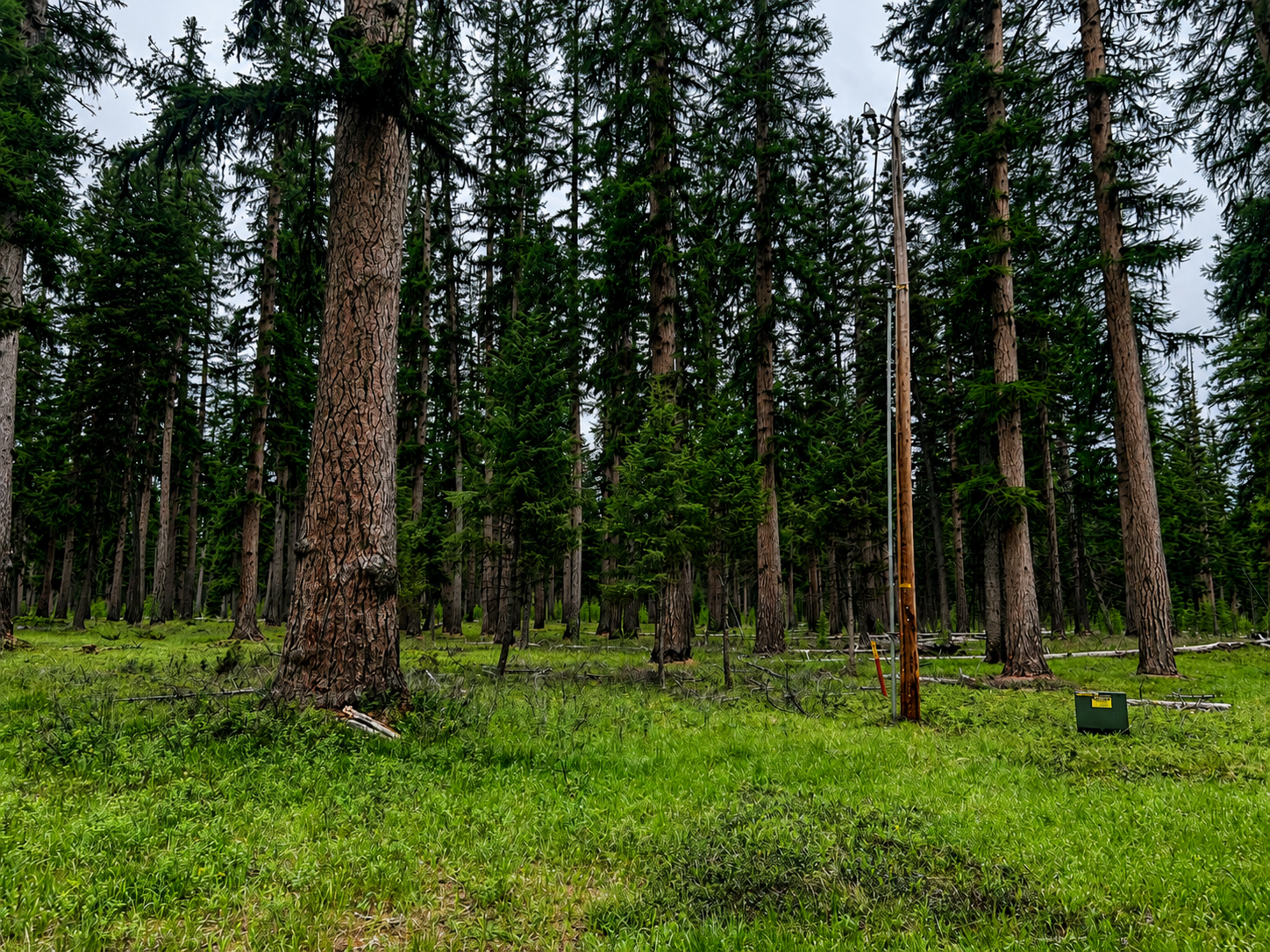
For most forest owners, their land is their most valuable asset. However, the vast majority of those landowners have never gotten professional advice on how to steward it. Contrast this with the fact that most consulting forestry firms grow through familiar channels: referrals, repeat clients, institutional landowners, and families who already know when to call a forester, and the disconnect becomes clear. Those existing relationships will remain the foundation of the profession, but the largest growth opportunity ahead may be with landowners who own forestland and have never meaningfully engaged with professional forestry at all.
This is not a small market. Family ownership is the largest forest ownership type in the United States. One Forest Service study estimated that roughly 10 million family forest owners hold more than one-third of U.S. forestland. These owners often care deeply about beauty, wildlife, privacy, nature, legacy, and keeping their land intact and productive.
But intention does not always become action. Research using National Woodland Owner Survey data has found declining levels of traditional forest management and engagement, including lower levels of timber harvesting, nearby farm ownership, and receiving professional advice. Other studies summarize the gap more directly: only 11% of family forest owners have a written management plan, and even fewer participate in certification, cost-share, or easement programs.
For consulting foresters, that gap is a massive opportunity. Most owners are not indifferent; they are under-supported. They may value their woods deeply, but lack the technical assistance, confidence, family alignment, or trusted relationship needed to act. They may want better wildlife habitat but not know which treatments would help. They may want to keep land in the family but have no succession plan. They may own merchantable timber but not understand why independent representation matters before a sale.
Generational turnover makes this more urgent. Transitionary moments like Inheritance, sale, and ownership transfer have outsized implications for the future of forests, and One 2016 study estimated that roughly 80% of family forest acreage is held by 2.7 million owners over the age of 55, who will soon be making decisions about the future ownership and use of their land. This is where forestry runs into its own version of the “third generation problem.” The first generation may buy the land, work it, hunt it, and know its boundaries by memory. The second may inherit some of the stories and local relationships. By the third, ownership is often more dispersed. Heirs may live farther away. The attachment may still be real, but the practical knowledge is thinner and the incentives to sell, divide, or defer decisions can become stronger.
Retention of family forestland is not automatic. Recent research has found that total family forest acreage has declined in recent years, with an estimated average annual national net decrease of roughly one million hectares of family forest. Land transfer is a vulnerable moment, often associated with parcelization, development, clearing, or drift away from active management.
That is both a need and an opportunity. Historically, many consulting forestry firms have grown by serving landowners who already know they need a forester. But the larger opportunity may be expanding the market itself: reaching owners before a timber sale, before a family crisis, before fragmentation, and before the wrong buyer or contractor becomes their first forestry advisor.
The next owner may live hours away, inherit property without the relationships that came with it, and care about conservation, recreation, family legacy, income, or climate resilience without knowing how to translate those goals into management. That kind of owner needs forestry advice before they need a harvest.
Reaching them requires education, follow-up, communication, and systems that make professional forestry accessible to people who may not know when to call a forester. The opportunity ahead is not just more acres under management. It is more landowners brought into active stewardship, especially in those moments when family forests are most at risk of being lost.
One out of every ten landowners has professional forestry representation. What will it take to reach the other nine?