Copyright © 2025 Towasze.Studio - All rights reserved.
Copyright © 2025 Towasze.Studio - All rights reserved.


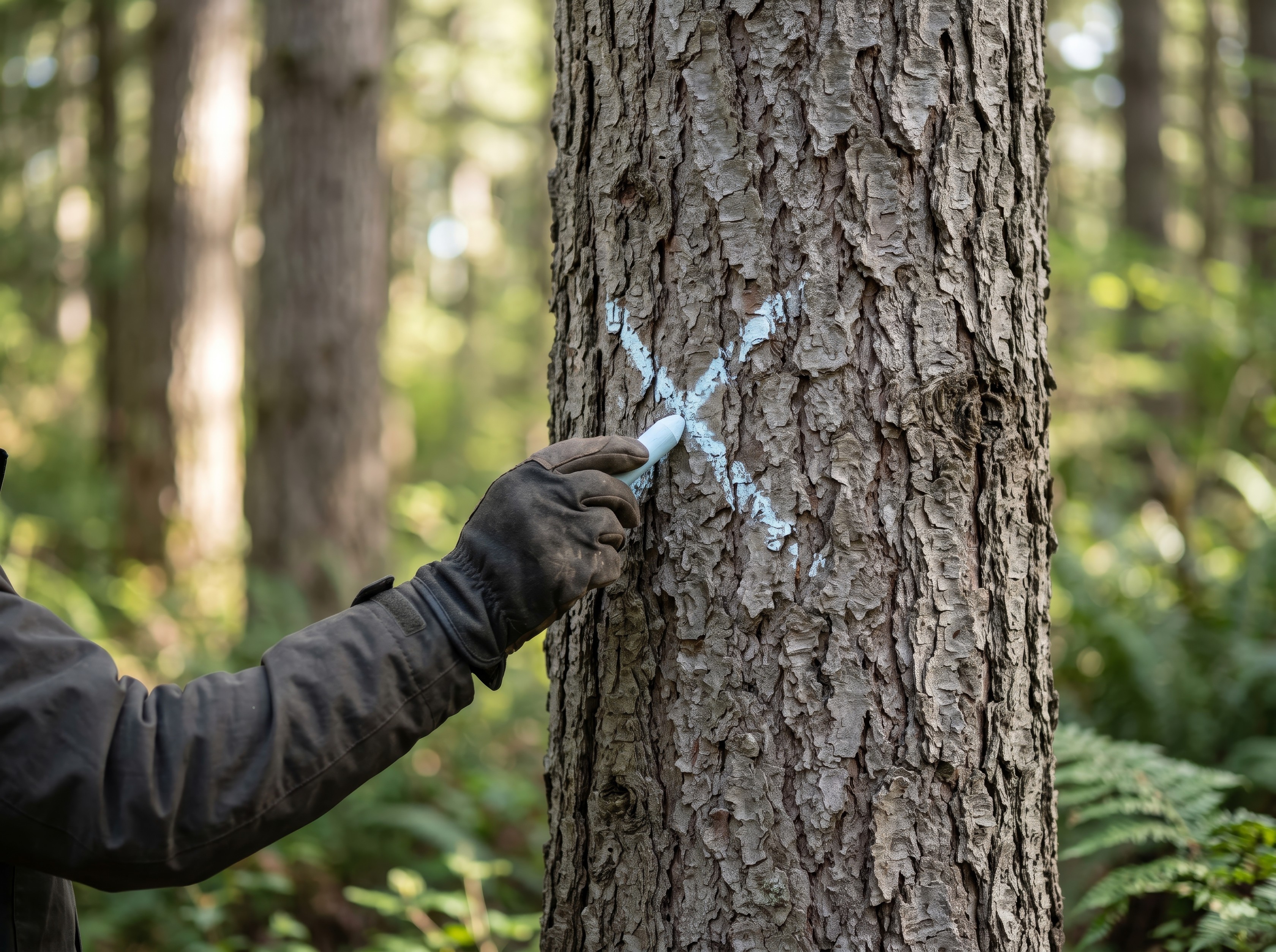
Forests create value over decades, but that value is shaped by the decisions that are made (and sometimes avoided) along the way. A forest management plan can identify the right work at the right time, but too often the plan becomes the endpoint rather than the beginning of implementation. Plans are more likely to gather dust than dog-ears: recommendations are documented, the plan is delivered, and the forester waits for the landowner to call again.
That places too much responsibility on an owner who may care deeply about the property and still lacks the technical knowledge to recognize when action is needed. Most landowners do not know when regeneration should be checked, when a thinning has become timely, or when delay is beginning to reduce the forest’s value or increase risk. If the forester already understands the land, the owner’s objectives, and the recommended sequence of work, the relationship should not go dormant until a visible problem or life event forces action. By then, some of the best options may already have narrowed, and the path that could have precluded the issue is no longer available.
Good advice should lead to follow-through. A forester can track recommended activities and schedules, reconnect with the owner as decisions approach, and revisit earlier recommendations as the stand, markets, or the owner’s goals change. That ongoing contact helps the owner act while there is still time to choose among several good paths rather than reacting after circumstances have limited them.
Some of the most important recommendations require investment without producing immediate income. Regeneration work, invasive-plant control, access improvements, or a noncommercial treatment may protect future value, advance a nonfinancial goal, or simply be necessary to maintain the forest. Some activities may produce no commercial return at all. Viewed as isolated expenses, this work is easy to defer. Viewed as investments in the future condition and usefulness of the property, it looks different.
Choosing to do nothing is itself a management decision, and it can be just as consequential as choosing to act. Its costs may not appear on an invoice, but they accumulate just the same. Delay can allow invasive plants to spread, access to deteriorate, regeneration to fail, fire risk to grow, or lower-quality trees to occupy valuable growing space. A missed treatment window can reduce future timber value or make the eventual work more expensive. Inaction may feel free, but it can quietly eliminate the options that timely follow-through would have preserved.
The forester’s role is to make those tradeoffs visible. Not every treatment will pay for itself financially, and not every worthwhile outcome belongs on a balance sheet. Some investments protect future growth or reduce risk. Others improve habitat, recreation, or scenic character. Long-term forest value is built through a series of decisions oriented around the owner’s goals and then carried into action. Those outcomes may not be explicitly financial, but they are often central to why land is owned and kept.
Long-term forest value is built through those connected decisions. Better access can support future management. Successful regeneration can protect the next stand. A treatment that improves habitat or scenic quality can increase both ecological value and the owner’s appreciation of the land. Each action should be understood as part of the larger case for continued ownership, not only as a stand-alone cost.
Another contributing factor to the gap between intention and action is a reluctance by foresters to push for implementation. Foresters may hesitate to press for an activity to be performed when they might also be paid to conduct the work. That caution is understandable: advice should never be shaped by the fee it may generate. But a desire to avoid appearing self-interested can leave sound recommendations sitting in a plan long after they should have been revisited. The forester should be transparent about fees, alternatives, likely outcomes, and any financial interest explained clearly. The decision remains the owner’s, but following up on good advice is not the same as manufacturing work.
A plan is only as valuable as the work it helps put into practice. Consulting forestry should help owners understand both the cost of action and the cost of delay, invest at the right time, and see the work through. That is how good intentions become actions, and how timely actions lead to long-term value in the land.