Copyright © 2025 Towasze.Studio - All rights reserved.
Copyright © 2025 Towasze.Studio - All rights reserved.

May 21st, 2026
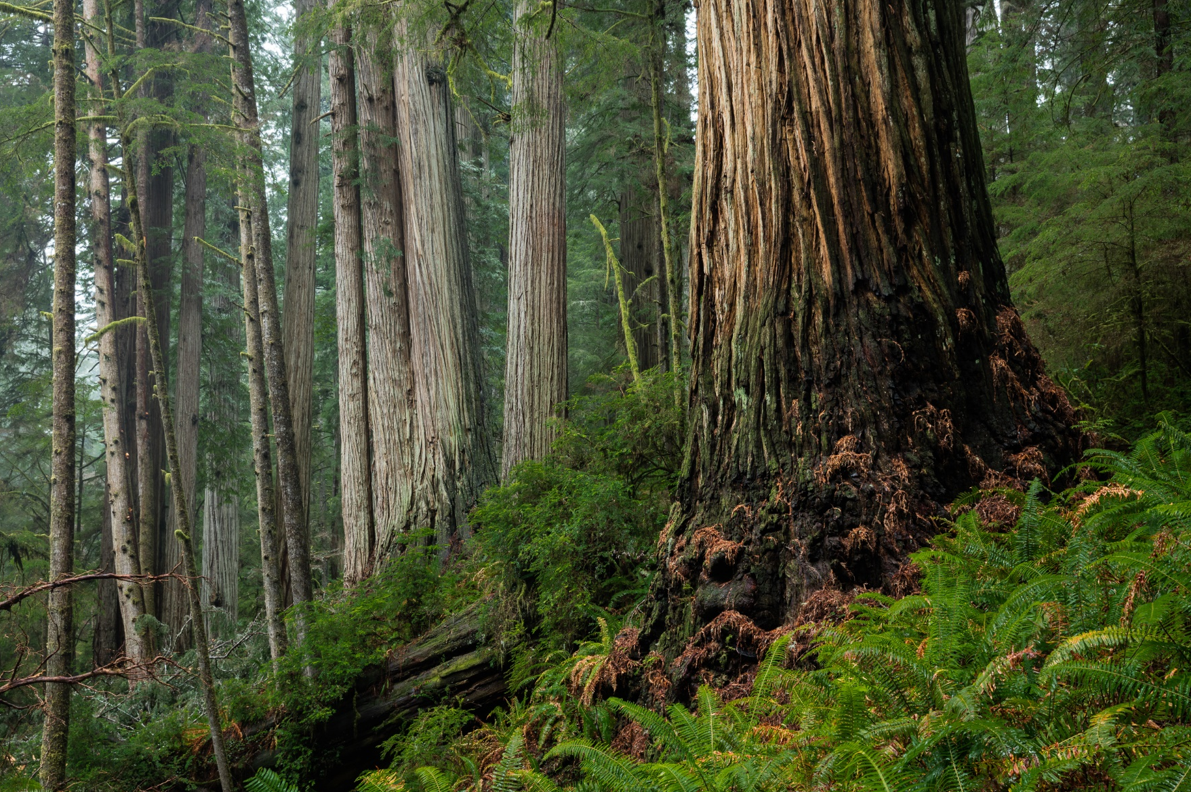
America is a forest nation. The United States has over 800 million acres of forest and woodland, meaning forests and woodlands cover more than one-third of the country. While the federal and state governments hold massive amounts of forestland under their stewardship, the majority of forest and woodland in the US - around 60% - is privately owned. Families and individuals are the single largest ownership group across all public and private forests, holding 260 million acres. And this means that an enormous number of people across the country are forest owners: an estimated 10 million families and individuals own or manage family forestland, representing about one in four rural Americans.
The forested landscape that we share is changing in almost every possible dimension. New forest products markets are emerging while others are declining, state and federal regulations and funding programs are in constant flux, invasive species are spreading, natural disturbances and extreme weather events are increasing. All of these changes on the land make stewarding our private resources for the public good challenging enough, but there are two generational shifts that are converging to make tackling these problems even more difficult: land is changing hands, and the consulting forestry profession is aging out. Over the next decade, America could see the transfer of as much as 90 million acres of family forest, as older landowners sell, pass land to heirs, or make decisions about the future of their properties. Over that same general period, an estimated 40–55% of consulting foresters may retire or exit the profession. These figures point to a major vulnerability in the private forest stewardship system. Just as millions of acres are likely to change hands, many of the professionals who know those lands and landowners best will be stepping away.
This overlap matters because ownership transitions are moments when long-term outcomes are often set. A new or inheriting landowner may be deciding whether to keep land intact or sell it, harvest timber, enroll in a conservation program, or simply hold the property without an immediate plan for action. Those decisions are far more likely to lead to durable stewardship when landowners have access to trusted professional guidance, yet much of the private forest land base is already under-supported. National estimates suggest that only about 11% of family forest ownerships have a written management plan, and only about 18% have received professional management advice. All this means that a large share of the land approaching transfer lacks the relationships and planning infrastructure needed to guide good decisions.
The retirement of consulting foresters compounds that risk. A consulting forester often carries more than technical expertise; they carry trust and memory. They know the history of a property, the goals of the landowner, and the practical reasons behind past management choices. When that knowledge disappears without a structured succession pathway, landowners lose continuity and forests lose a vital advocate.
Canopy is designed for exactly this moment of convergence. It can help bridge the transition between retiring foresters, successor firms, landowners, and stewardship partners so that land changing hands does not also lose the relationships and knowledge needed to care for it well. By organizing information, supporting intentional handoffs, and keeping landowners connected to capable professionals, Canopy can turn a period of risk into a generational opportunity. Its role is not simply to solve a workforce succession problem; it is to strengthen the long-term stewardship infrastructure that forests and landowners will need for decades to come. People need forests, and forests need people. Canopy exists to make sure we have those people for as long as we’ll need them.